

Conserving Aquatic Ecosystems
The aquatic ecosystems of the southeastern U.S. are among the nation's most ecologically significant, encompassing diverse rivers, streams, wetlands, and estuaries vital for maintaining regional biodiversity and ecosystem health. These waters support countless species, including brook trout, darters, sunfish and bass, freshwater mussels, crayfish, and salamanders, making the Southeast one of the world's most biologically diverse regions for aquatic life.
These ecosystems also provide essential resources and services, such as flood protection, drinking water, irrigation, and recreational opportunities, crucial for local economies and cultural identity.
Despite their importance, these aquatic landscapes face grave threats from land use practices, habitat fragmentation, pollution, invasive species, and climate change, leading to widespread ecosystem degradation. Addressing these challenges is essential for preserving the ecological and economic value of the Southeast’s aquatic resources, ensuring their resilience and sustainability for future generations.
Species Initiatives
The Aquatic Connectivity Framework provides an umbrella strategy for a diverse array of species, including these successful aquatic species initiatives:
WORKING LANDS FOR WILDLIFEAquatic Connectivity Framework
A Framework for Conservation Action
Read ACF Update →Key Conservation Practices
As part of the Aquatic Connectivity Framework,these practices will be implemented in target geographies across 16 states to achieve landscape-scale improvements in aquatic habitat conditions.
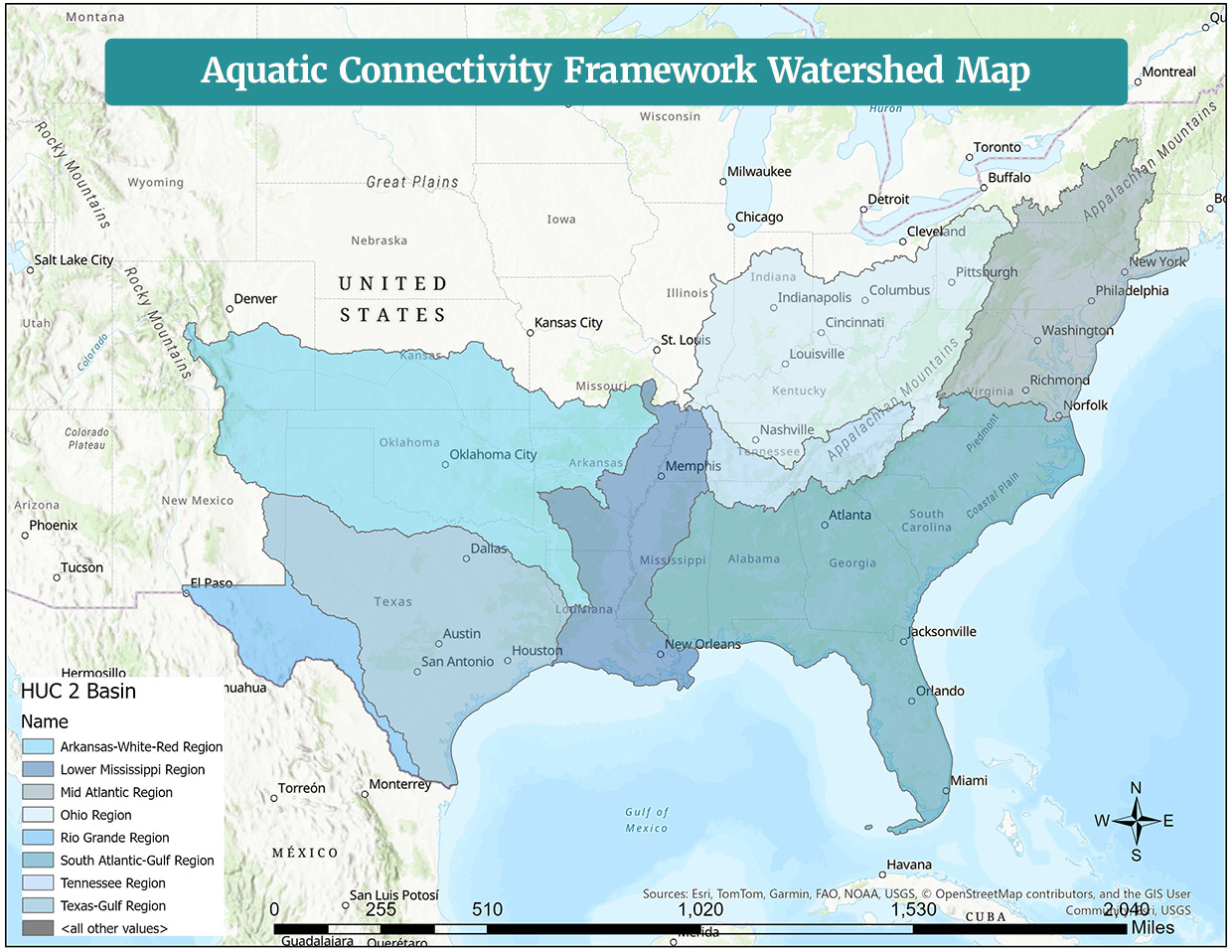
Watersheds Involved in the Aquatic Connectivity Framework:
The Aquatic Connectivity Framework is a science-based plan for conserving freshwater habitats that addresses conservation needs across 8 HUC-2 Watersheds.
On The Ground Conservation Projects
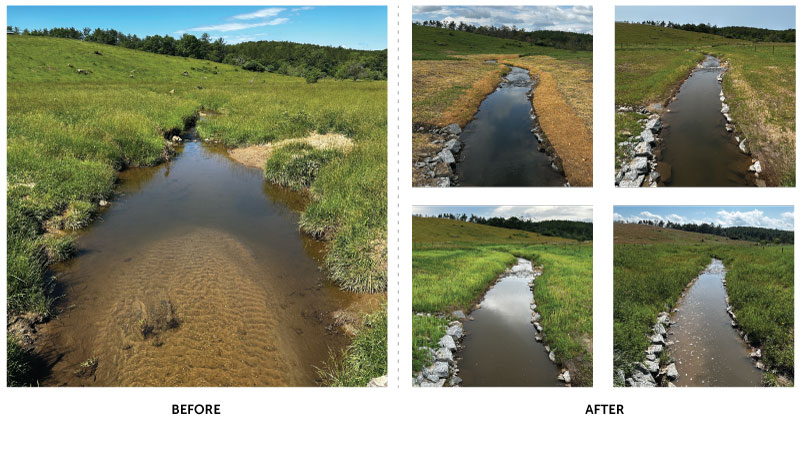
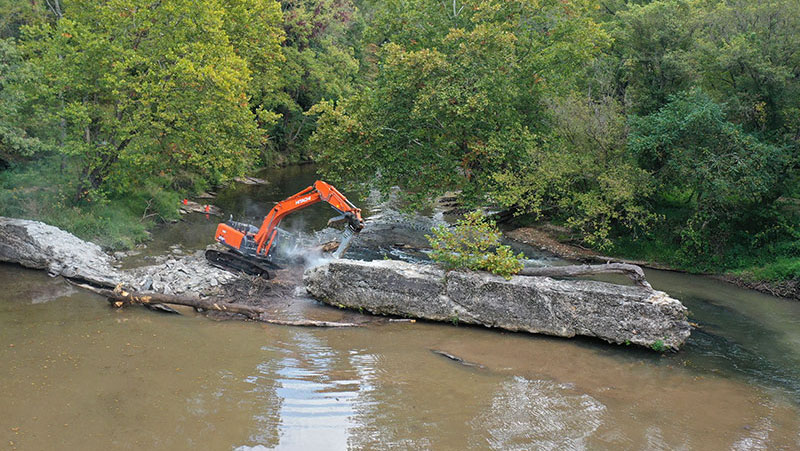
Learn more about our stream and riparian restoration projects across the southeast, including efforts to reduce erosion, improve habitat, and restore natural stream function. These projects show how practical, partnership-driven conservation delivers real, on-the-ground results.
Aquatic Connectivity Framework Partnerships
The Aquatic Connectivity Framework brings together landowners, nonprofits, agencies, and conservation practitioners in strong, collaborative partnerships focused on restoring connected aquatic systems. These partnerships align diverse expertise, resources, and capacity to move complex restoration projects from planning to implementation on the ground.
WLFW AquaCorridors Tool Suite
View the Tool Suite Overview →

FIND OUT WHAT CONSERVATION PRACTICES FIT YOUR NEEDS
AquaCorridors: Planner
This tool asks about your conservation needs and then generates information about what conservation practices are known to help with those needs.

EXPLORE NRCS INFORMATION
AquaCorridors: Handbook
Use the AquaCorridors Handbook Tool to learn about Conservation Practices, explore NRCS and FSA funding opportunities, and access a range of decision support tools designed to enhance aquatic conservation efforts. This tool lets users search by threat, by desired conservation benefits, or by conservation practice.
EXPLORE CURATED DATASETS
AquaCorridors: Data Layer Library
Explore a curated collection of high-quality datasets focused on aquatic conservation. The AquaCorridor: Data Layer Library brings together valuable data from agencies and NGOs, providing a comprehensive resource for environmental decision-making.
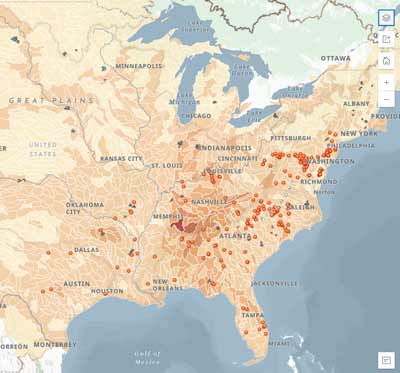
MAP AND EXPORT DATA
AquaCorridors: Mapper
Use the AquaCorridor map to explore and export data for your area of interest, including information on endangered species by watershed, partner organization priority areas and contact information, and key landscape conditions. Login is required to use the AquaCorridors Mapper.
Outreach
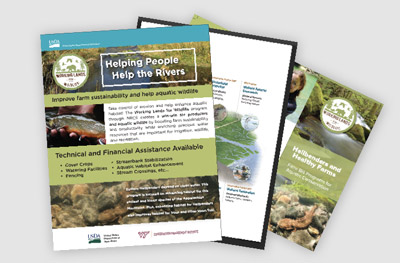
Brochures, Fact Sheets and Printouts that can be used by NRCS and our partners to spread knowledge about aquatic conservation.
Stories
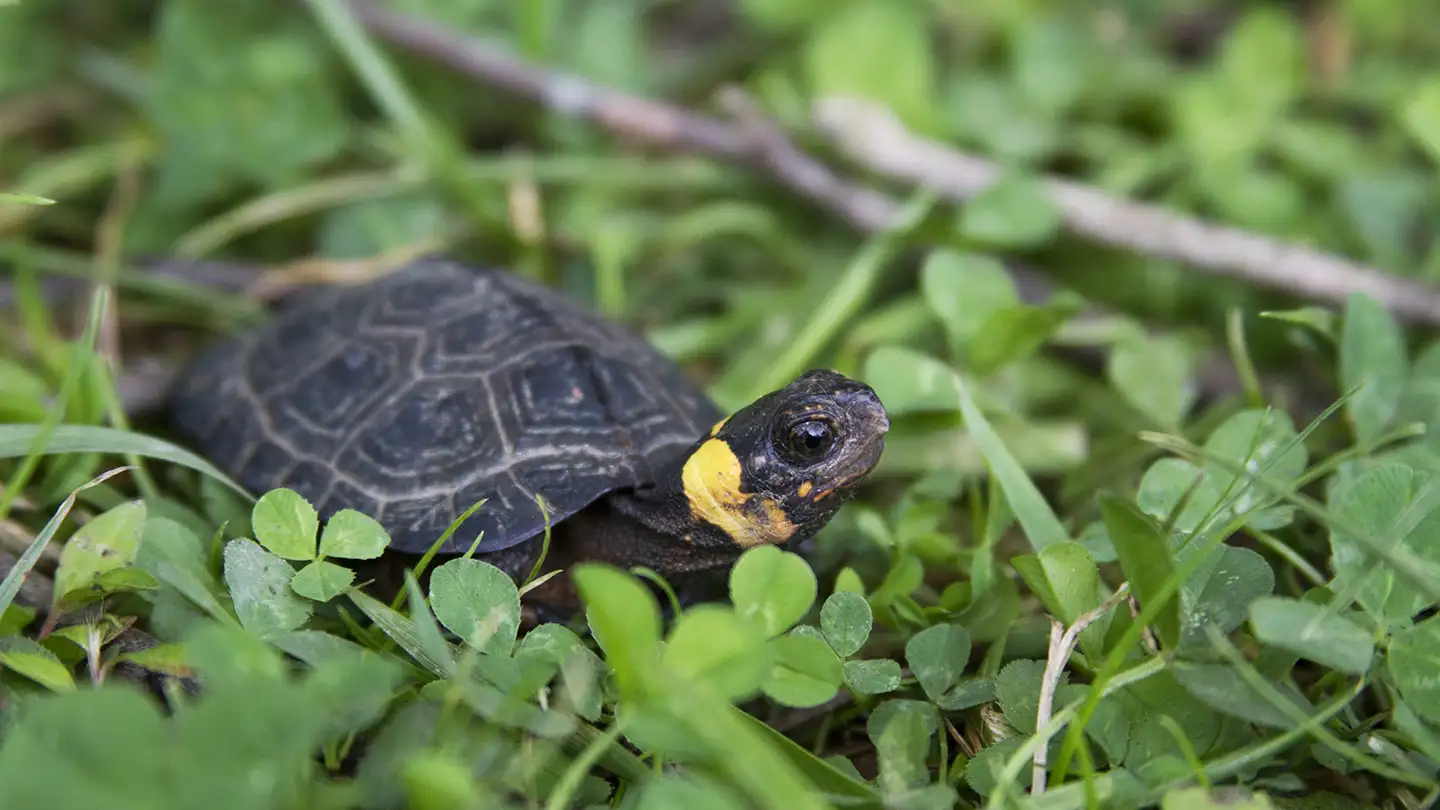
Cozying Up for Winter: The Bog Turtle’s Seasonal Slumber
With their distinct orange or yellow neck patches and petite size, Bog Turtles (Glyptemys muhlenbergii) are a rare gem of North America’s wetlands.


